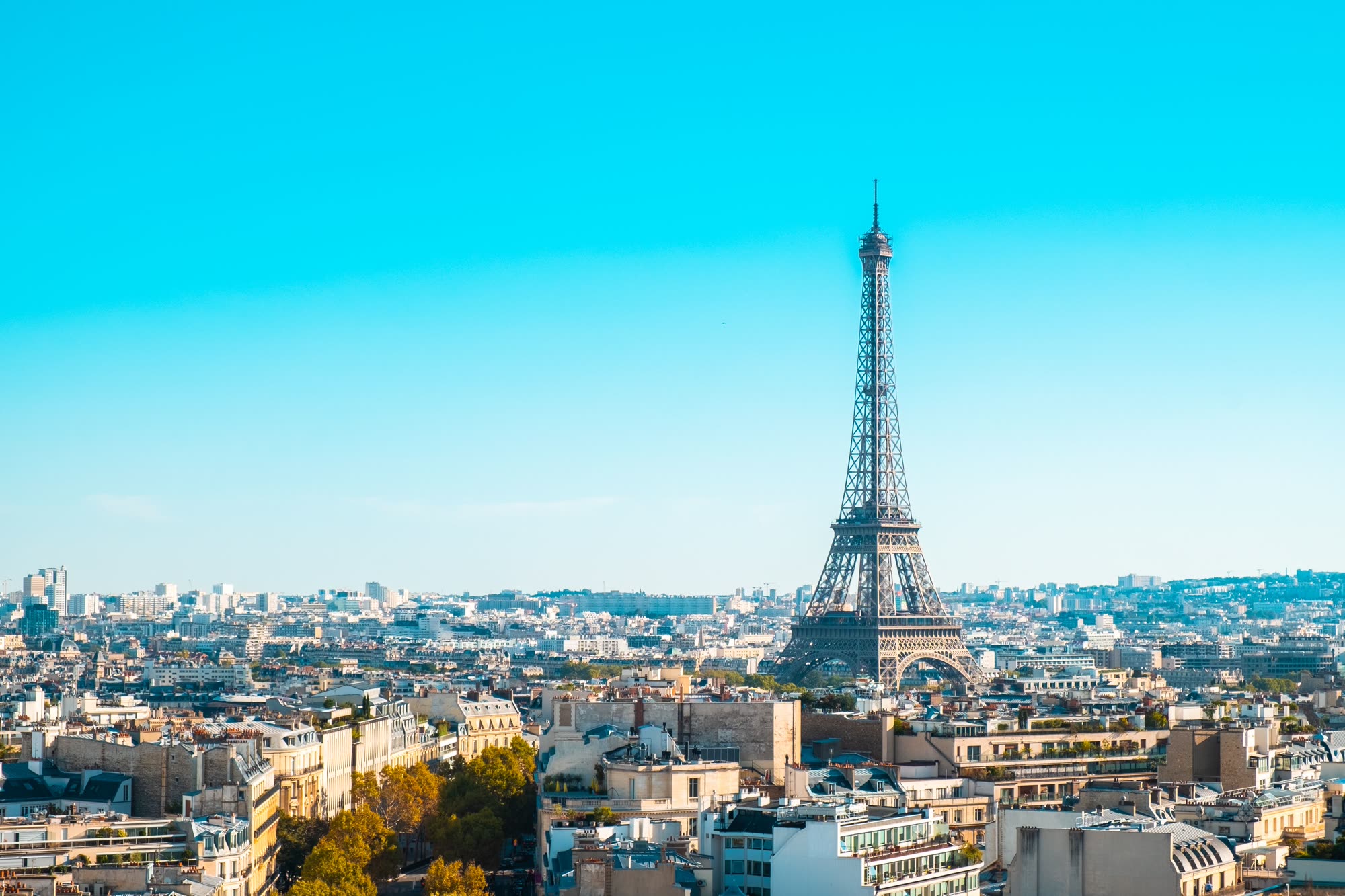
A GREAT PLACE TO MOVE

France

France has long been a top destination for those seeking a fresh start in a vibrant and culturally rich environment. Whether you're relocating for work, family, or a new adventure, the country offers a welcoming atmosphere and a strong support system for newcomers. With its unique blend of history, modern conveniences, and global connectivity, France provides an ideal setting for individuals and families looking to build a new life.

Advantages of Moving to France

  • High quality of life
  • Excellent healthcare and education
  • Rich cultural heritage
  • Strong job market in various industries

What France Offers Newcomers

  • Access to public healthcare and social services
  • Residency and citizenship pathways
  • Vibrant expatriate communities
  • Diverse and welcoming cities

Why Move to France?

  • World-class cuisine and lifestyle
  • Beautiful landscapes, from countryside to coastline
  • Central location in Europe with easy travel options
  • Strong infrastructure and public transport

Additional Information

  • France has over 41 UNESCO World Heritage sites
  • Work opportunities in tech, finance, healthcare, and more
  • Affordable housing options in certain regions

Public Transport in Major Cities

  • Metro & trams: Paris has 16 metro lines covering the city efficiently; Lyon, Marseille, and Toulouse also have metro systems; trams operate in cities like Bordeaux, Strasbourg, and Nice.
  • Ticket prices: around €2.50 per single ride; a Navigo monthly pass in Paris runs roughly €90–95 — worth checking the current fare before you budget.
  • Buses: available in all cities and rural areas, with night buses (Noctilien) running in Paris after the metro closes; prices vary by region but are often included in metro passes.

Bikes & Scooters

  • Vélib' in Paris, Vélo'v in Lyon — shared bike rental services
  • Electric scooters available in most cities via Lime, Dott, and Tier

Taxis & Ride-Sharing

  • Official taxis available, but often expensive (around €7 starting fare in Paris)
  • Uber, Bolt, and Free Now operate in major cities
  • Long-distance taxi rides can be costly (€50+ for a 30-minute ride)

Driving in Cities

  • Parking is limited and expensive (roughly €2–4/hour in city centres)
  • Many areas have low-emission zones restricting older vehicles
  • Car-sharing services like BlaBlaCar Daily and Free2Move offer alternatives

Trains — Fast & Efficient

  • TGV (Train à Grande Vitesse): high-speed, up to 320 km/h, connecting Paris to cities like Marseille, Lyon, Bordeaux, and Strasbourg in under 3 hours. Prices: €30–100+ depending on booking time.
  • Intercity & TER (regional trains): slower but serve smaller towns and regions, with fares often €10–50 per trip. Book via the SNCF Connect app.

Long-Distance Buses — Budget-Friendly Travel

  • FlixBus, BlaBlaCar Bus, and Ouibus offer low-cost routes across France and Europe
  • Prices start at €5–30, depending on the destination
  • Slower than trains but great for budget travelers

Domestic Flights — For Long Distances

  • Air France, EasyJet, Ryanair operate domestic routes
  • Paris to Nice or Marseille takes about 1.5 hours
  • Prices range from €40–150, depending on the airline and season

Ferries & International Travel

  • Ferries connect Corsica, the UK, Spain, and Italy
  • Eurostar links Paris to London in 2h 15m
  • Other international train routes: Thalys (Paris–Brussels, Amsterdam), Lyria (Paris–Geneva, Zurich), Renfe (Paris–Barcelona, Madrid)

Driving & Road Trips

  • Highways (autoroutes): toll roads charge based on distance (roughly €10–50 per trip)
  • Car rental: from €30/day with major providers including Hertz, Europcar, and Sixt
  • BlaBlaCar carpooling: a cheap, social option (roughly €10–40 for long distances)

Daily Life & French Routine

  • Mornings start late — most people start work around 9am, and breakfast is often a quick coffee and croissant
  • Long lunch breaks — many offices and shops close for 1–2 hours around noon; taking time to enjoy meals is part of French culture
  • Shops & businesses — small shops close on Sundays, except in tourist areas; supermarkets remain open
  • Greetings matter — a simple "Bonjour" is essential when entering a shop, office, or even an elevator

Food & Dining Culture

  • Bread everywhere — the baguette is a daily essential, and bakeries (boulangeries) are found on almost every street
  • Three-course meals — the French love a starter, main course, and dessert
  • Wine & cheese culture — each region has its own specialties, and both are a key part of social gatherings
  • No rushed eating — eating on the go is uncommon; meals are meant to be enjoyed at a table

French Social Etiquette & Customs

  • La bise (kiss on the cheek) — common among friends and colleagues, though handshakes are used in formal settings
  • Formality in speech — using "vous" (formal 'you') is expected when speaking to strangers, older people, or professionals
  • Debate culture — the French love intellectual discussions and aren't afraid of strong opinions
  • Celebrations & traditions — key holidays include Bastille Day (July 14th), Christmas markets, and Epiphany (Galette des Rois cake)

Getting Around & Lifestyle Habits

  • Walking is common — French cities are pedestrian-friendly, and public transport is widely used
  • Driving culture — people drive assertively, and parking is a challenge in big cities
  • Markets over supermarkets — many prefer fresh produce from local farmers' markets over large grocery chains
  • Café culture — sitting at a café and people-watching is a daily ritual, not just a coffee break

Arts, Fashion & Entertainment

  • Art & museums — France is home to the Louvre, Musée d'Orsay, and countless galleries; art is deeply respected
  • Fashion hub — cities like Paris and Lyon are global fashion centers; dressing stylishly is part of daily life
  • French cinema — France has a rich film industry, with international festivals like Cannes
  • Music & festivals — the French enjoy jazz, classical, and indie music; annual events like Fête de la Musique (June 21st) bring live music to the streets

Shopping & Consumer Habits

  • Cash & cards — most places accept cards, but small shops may prefer cash
  • Eco-friendly focus — many French people bring reusable bags and avoid excessive packaging
  • Sunday closures — major stores close on Sundays, except in big cities

Work-Life Balance & Family Life

  • Shorter workweeks — the 35-hour workweek is standard, with long vacations in August
  • Family-centric culture — Sundays are often spent with family, and dinner is a social event
  • Free education & healthcare — France offers state-funded schools and universal healthcare

French culture is about quality over speed, whether it's food, social interactions, or work-life balance. Newcomers may need time to adjust to customs like la bise, long meals, and Sunday closures — but once you do, you'll enjoy the relaxed and culturally rich way of life France has to offer.

READY TO MOVE?

Let's plan your relocation.

Book a consultation